
Why T-Shirt Sizing Is More Confusing Than It Should Be (And How to Fix That)
Sizing in the apparel world is, bluntly, a mess. A medium from one brand fits like a large from another, and that’s not an accident — it’s the result of decades of brands adjusting their fit standards to match their target customer, with zero industry-wide enforcement. So if you’ve ever ordered what felt like a safe, reliable size and ended up with something that looked more like a tent or a compression sleeve, you’re not doing anything wrong. The system is just genuinely inconsistent.
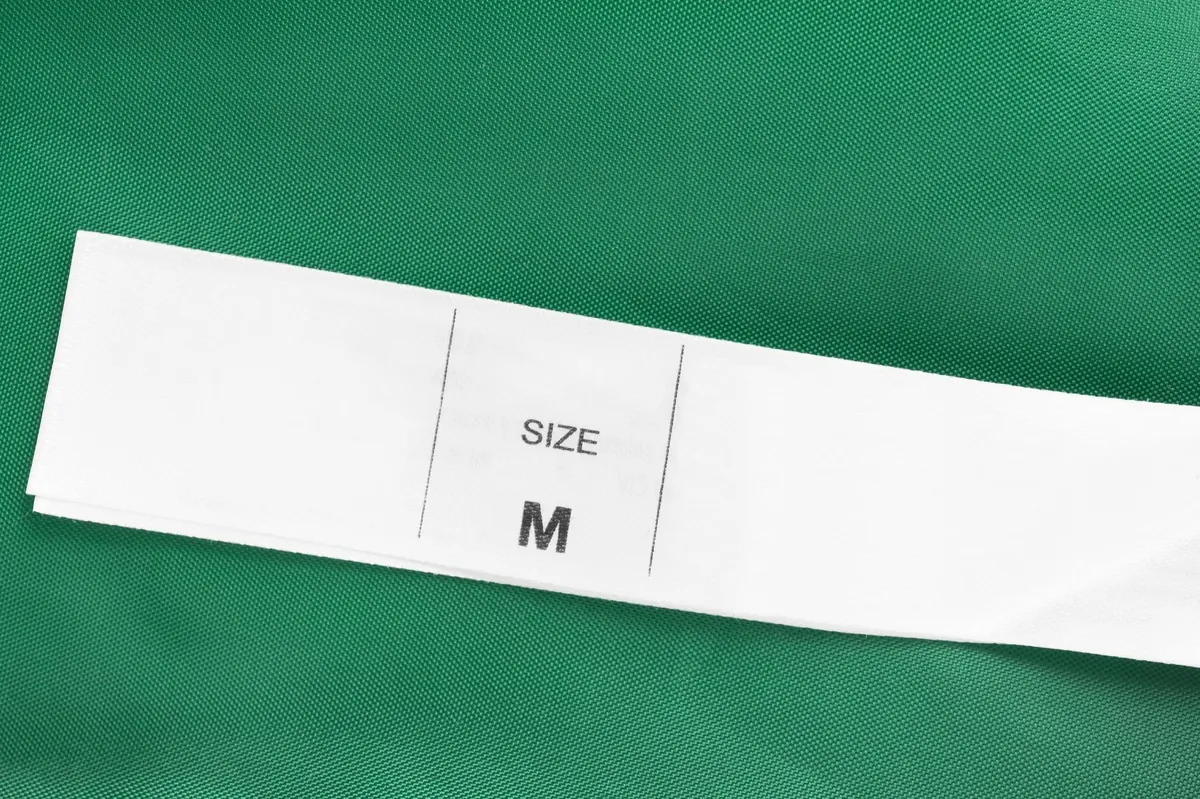
Here’s the core problem: there is no universal standard. A Gildan 5000 medium runs noticeably wider in the chest than, say, a fitted American Apparel equivalent from the same era. Chest measurements, body length, sleeve length — these all shift depending on whether a brand is cutting for a relaxed fit, an athletic silhouette, or a boxy streetwear drop. And when you’re buying from international suppliers or wholesale programs, the variation gets even wider. Chinese sizing conventions, for instance, often run one full size smaller than U.S. or European equivalents, which catches a lot of buyers off guard on their first bulk order.
Totally avoidable, though. With the right information.
The fix — and this part matters — is to stop thinking about size labels and start thinking about measurements. Specifically, your chest circumference and your body length. Those two numbers, in inches or centimeters, will tell you more than any “L” or “XL” tag ever will. Suppliers who handle custom and OEM programs (idealsclothing works this way, for example) will typically provide a detailed spec sheet with actual garment measurements rather than just size labels, which is exactly what you want when you’re trying to choose the right t shirt size at scale.
And look, this principle applies beyond clothing. Whether you’re trying to figure out how to choose the best water park equipment for maximum fun and safety, or you’re sorting out a phone case size new product launch — the same logic holds. Specs beat labels every single time. Even something as oddly specific as ICE CREAM size portions taught the food industry that standardized scoops matter more than vague descriptions. Sizing is a spec problem, not a guessing game.
- Always request a garment measurement chart, not just a size chart
- Measure your chest at its widest point, then add 1–2 inches for comfort
- Check body length if you’re tall or buying for layering
- When ordering internationally, assume sizing runs smaller until proven otherwise
How to Read a T-Shirt Size Chart Without Getting It Wrong
OK so here’s the thing most buyers get wrong — they look at the size chart and read the column labeled “size” instead of the column labeled “chest” or “body length.” Those are two completely different pieces of information, and conflating them is how you end up with a medium that fits like a crop top or a large that swallows you whole.

A size chart tells you what the brand calls something. A garment measurement chart tells you what the fabric actually does. Big difference. Huge, actually.
So when you’re staring at a chart, here’s how to read it correctly. Find the row that matches your measured chest circumference — not the size you’ve always bought at your local store, your actual chest measurement in inches or centimeters. Then check the “finished garment” column if one exists, because some charts list body measurements (what fits into the shirt) while others list garment measurements (what the shirt itself measures flat). Mixing those two up is a classic mistake, and it happens constantly with international orders where the chart format isn’t always obvious. Suppliers like idealsclothing typically provide flat garment specs on request, which is genuinely useful when you’re ordering wholesale and can’t physically try anything on before committing.
Shoulder width is the one measurement people skip, and it’s arguably the most telling fit indicator on a fitted tee — if the shoulder seam sits half an inch past your actual shoulder, nothing else about the shirt looks right regardless of how the chest fits.
| Measurement | Where to Measure | Why It Matters |
|---|---|---|
| Chest width | Across the widest point, armpit to armpit (flat) | Primary fit indicator |
| Body length | Top of shoulder seam to hem | Critical for tall buyers or layering |
| Shoulder width | Seam to seam across the back | Determines overall silhouette |
| Sleeve length | Shoulder seam to sleeve hem | Fit detail on fitted or fashion tees |
And honestly, the logic here isn’t unique to apparel. The same spec-first thinking applies when you’re figuring out how to choose the best water park equipment for maximum fun and safety — you don’t just pick “medium slide,” you check load ratings, slope angles, and material specs. Sizing is always a spec problem. Whether it’s a phone case size new product launch where a 0.5mm discrepancy means the camera cutout misaligns, or a question of how to choose the best water park ride for a specific age group, the answer is always: read the actual numbers, not the label.
Not complicated. Just ignored.
What Your Body Measurements Actually Tell You About T-Shirt Fit
Here’s the thing nobody tells you: your body measurements and your “size” are two completely different things. One is a fixed fact. The other is a label that changes depending on the brand, the country of origin, and — honestly — the mood of whoever designed the size chart that season.

So let’s talk about what the numbers actually mean. Chest circumference is the one that matters most for t-shirts. You measure it at the widest point, tape parallel to the floor, and that single number — say, 40 inches — tells you more about how a tee will fit than any S/M/L label ever will. But here’s where buyers trip up: they confuse their body measurement with the garment measurement. A shirt labeled “chest 40 inches” doesn’t mean it fits a 40-inch chest perfectly. It means the fabric itself measures 40 inches. You need ease — typically 2 to 4 inches of extra room for a relaxed fit, less for something slim.
Shoulder width is the one most people ignore. It shouldn’t be.
If the shoulder seam sits off the edge of your actual shoulder — drooping down your arm — nothing else about the fit will look right, no matter how well the chest or length lines up. This is especially relevant when ordering across international size systems, where a garment spec’d for one regional body standard can be off by a full inch at the shoulder for buyers in another market. Suppliers like idealsclothing who work with OEM spec sheets deal with this constantly; the shoulder measurement gets called out explicitly in every fit review for good reason.
Body length is the quiet detail that makes or breaks a casual tee. Too short and it untucks every time you move. Too long and it reads boxy in a way that doesn’t always feel intentional. The sweet spot for most adults is somewhere between 27 and 30 inches from the high point shoulder to the hem — but that varies by torso length, not height.
And this is exactly the kind of spec-first thinking that applies everywhere sizing shows up. Figuring out how to choose the best water park equipment for maximum fun and safety? You check load capacity and structural ratings, not just the product name. Shopping a phone case size new product launch? A 0.5mm error means the camera cutout is wrong. Even something like an ICE CREAM size on a novelty item — it sounds trivial, but if the dimensions are off, the product doesn’t work as intended. Measurements are always the answer. The label is just shorthand, and shorthand gets things wrong.
Know your numbers. Match them to the garment spec. Everything else follows.
How to Measure Chest, Shoulders, and Length at Home
A soft tape measure and two minutes. That’s genuinely all this takes — and yet most people skip it entirely, then act surprised when their shirt fits like a trash bag or a compression sleeve.
Start with the chest. Wrap the tape around the fullest part of your chest, keeping it level across your back and under your armpits. Don’t suck in. Don’t puff out. Just breathe normally and hold the tape snug but not tight — you’re looking for the actual circumference, not a wishful number. For most adult men, this lands somewhere between 36 and 44 inches. Write it down.
Shoulders next, and this one trips people up. You’re measuring from the edge of one shoulder to the other — specifically the bony point where your shoulder “drops off” — straight across the back. Not curved over the top. Straight. A 17-inch shoulder measurement on a shirt that only has 16.5 inches of seam-to-seam width is going to pull and bunch every single time you move your arms. This is the measurement that determines whether a shirt looks tailored or looks borrowed.
Length is last, and it’s simpler than people make it. Measure from the high point of your shoulder — right at the base of your neck — straight down to where you want the hem to sit. Tucked-in shirts need more length. Casual tees worn loose need less. There’s no universal rule here. (Suppliers like idealsclothing who do OEM work for international buyers spec this measurement explicitly because “standard length” means completely different things in different markets.)
- Chest: tape around the fullest point, level and snug
- Shoulders: seam point to seam point, straight across the back
- Length: high point shoulder to desired hem, not floor
So once you have those three numbers, you’re not guessing anymore — you’re comparing specs. The same logic applies any time precision matters: figuring out how to choose the best water park equipment for maximum fun and safety means checking load ratings, not eyeballing it. A phone case size new product launch lives or dies by a half-millimeter. Even something like an ICE CREAM size novelty item fails if the dimensions don’t match the mold. Measurements are measurements. Trust the tape.
Conclusion
Knowing how to choose the right t shirt size really does come down to three numbers — chest, shoulders, length — and a tape measure you actually use. That’s it. Everything else is noise.
Size charts are starting points, not guarantees. Different brands, different countries, different fits — the label means less than the spec. Measure once, compare against the chart, and you’ll get it right far more often than going by instinct or habit.
Stop guessing. Trust the tape.
Frequently Asked Questions
Q: How do I know what t-shirt size to buy if I’m between sizes?
A: Go with your chest measurement as the deciding factor — it’s the hardest thing to fix if you get it wrong. If your chest lands right on the boundary between a Medium and a Large, size up; a slightly longer hem is far easier to live with than a shirt that pulls across the back every time you move.
Q: What’s the most important measurement when figuring out how to choose the right t-shirt size?
A: Chest circumference, no contest. Shoulder width is a close second — if the seam drops past your shoulder joint, the whole shirt looks wrong regardless of how the chest fits. Length matters too, but it’s the one most people can eyeball after the first two are dialed in.
Q: Why do size charts differ so much between brands?
A: Because there’s no universal sizing standard enforced across the industry. A US Large from a brand like Hanes might measure 42–44 inches at the chest; a “Large” from a European or Asian-origin label (including OEM suppliers who produce for multiple markets) could run 38–40 inches. Always check the actual centimeter or inch specs on the brand’s own size chart, not just the letter.
Q: How to choose the right t-shirt size when buying online without trying it on?
A: Measure yourself with a soft tape measure — chest, shoulder width, and body length — then compare those numbers directly against the brand’s size chart, not your usual size label. If the brand lists finished garment measurements rather than body measurements, subtract about 2 inches from the chest spec to account for ease. Suppliers like idealsclothing publish spec-level measurements for their wholesale and custom programs precisely because international buyers can’t rely on trying things on first.
Q: Is it worth sizing down for a fitted look?
A: Only if your shoulders still fit — that seam placement is non-negotiable. A chest that’s slightly snug can sometimes read as intentional; a shoulder seam hanging halfway down your upper arm just looks like the wrong size.
Q: How much does fabric type affect how to choose the right t-shirt size?
A: More than most people expect. A 100% cotton tee can shrink 5–8% after the first hot wash, while a cotton-polyester blend (say, 60/40) typically holds its shape far better. If you’re buying pre-shrunk cotton, you can trust the spec; if it’s not labeled pre-shrunk, factor in at least half a size of shrinkage and measure after the first wash before you order multiples.
Q: Can I use my dress shirt size to figure out my t-shirt size?
A: Loosely, yes — but the logic breaks down fast. Dress shirts are measured at the collar and sleeve; t-shirts are measured at the chest and body length. A 15.5-inch collar dress shirt usually corresponds to a chest around 39–41 inches, which typically lands in a Medium or Large depending on the brand. Still, you’re better off just measuring your chest directly rather than translating between garment categories.
Q: How to choose the right t-shirt size for a custom or bulk order?
A: Request a physical size sample or a detailed spec sheet with finished garment measurements before committing to a full run — this is standard practice in wholesale and OEM sourcing. Chest width, body length, and shoulder seam placement should all be confirmed against your target fit. Getting this wrong across a 500-piece order is an expensive lesson that a five-minute measurement check upfront would have prevented. Related reference: How to Choose the Right Men’s.