
Workwear Buying Guide: How to Choose Without Regret
Most people buy workwear the same way they buy groceries when they’re hungry — impulsively, without a real plan, and they regret half of it by the following week. A solid workwear buying guide isn’t about following rigid rules. It’s about slowing down enough to make decisions that actually hold up over time.
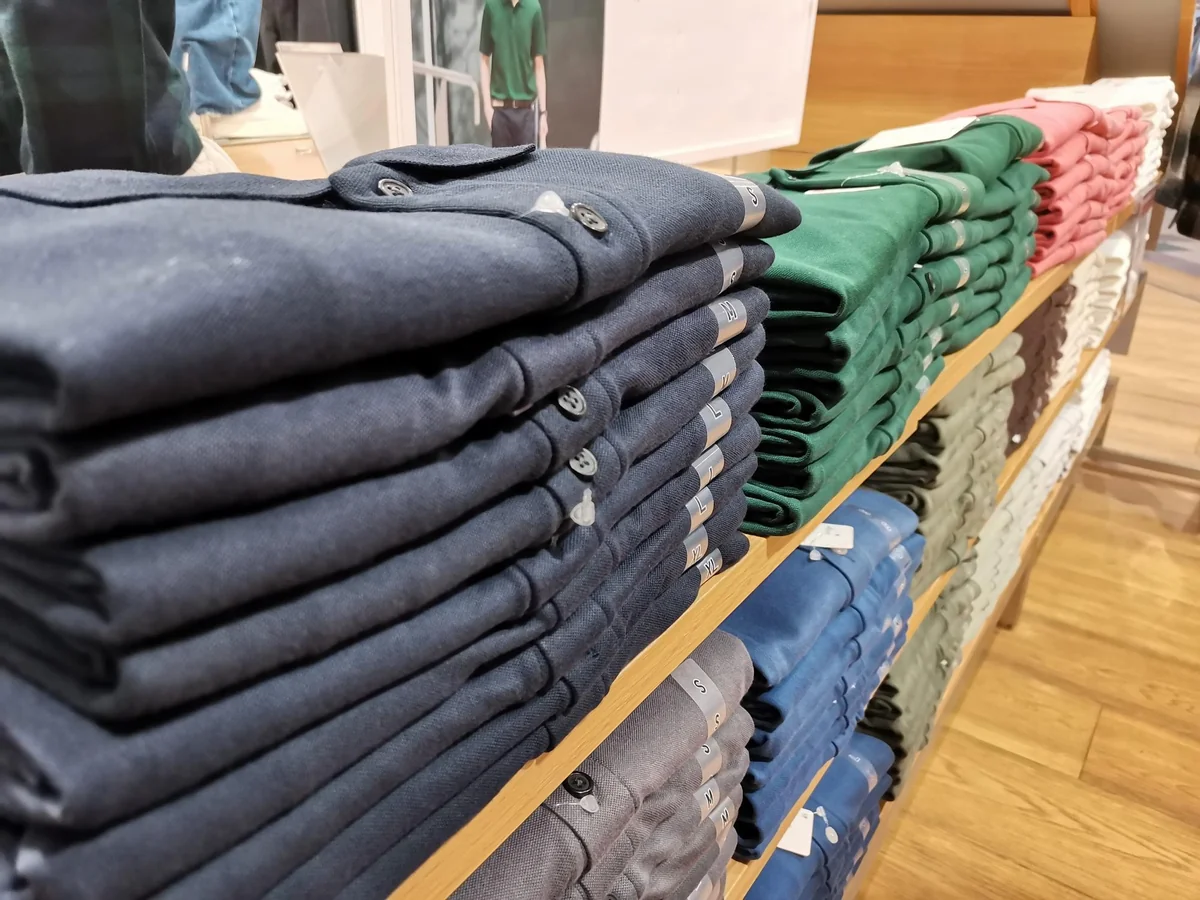
Start with your environment, not your wishlist. A warehouse floor demands something completely different from a corporate office — and even within “business casual,” there’s a massive gap between a tech startup’s Friday vibe and a law firm’s version of the same dress code. Before you spend a single dollar, get honest about where you actually spend your working hours.
Fit. Full stop.
Seriously, fit matters more than brand, more than fabric, more than price. A $40 pair of Dickies work pants that fits properly will outperform a $120 pair of ill-fitting chinos every single time — both in comfort and in how put-together you look. Most buyers skip alterations entirely (tailoring a pair of trousers typically runs $15–$30, which is genuinely worth it), and that’s a mistake that compounds every time they get dressed.
So when you’re building out your workwear wardrobe, think in terms of cost-per-wear rather than sticker price. A durable Oxford shirt you’ll wear twice a week for two years is a far smarter buy than three cheap versions that pill and fade before summer ends.
- Identify your dress code tier — formal, business casual, smart casual, or trade/industrial
- Prioritize fabrics suited to your climate and physical activity level
- Build around neutrals first; add color and pattern once the foundation is solid
- Check care labels before buying — if you can’t maintain it realistically, skip it
- Factor in durability ratings for any role involving physical labor or outdoor exposure
And the thing most workwear buying guides won’t tell you? The biggest mistake isn’t buying the wrong item — it’s buying too many of the right items all at once before you’ve tested whether they actually work for your routine. Buy one. Wear it. Then decide.
H1: Workwear Buying Guide: How to Choose Without Regret
So here’s the honest version of a workwear buying guide: most of them are written to sell you more stuff. This one isn’t. The goal is to help you spend less — or at least spend smarter — by thinking through a few things before you ever open a browser tab or walk into a store.
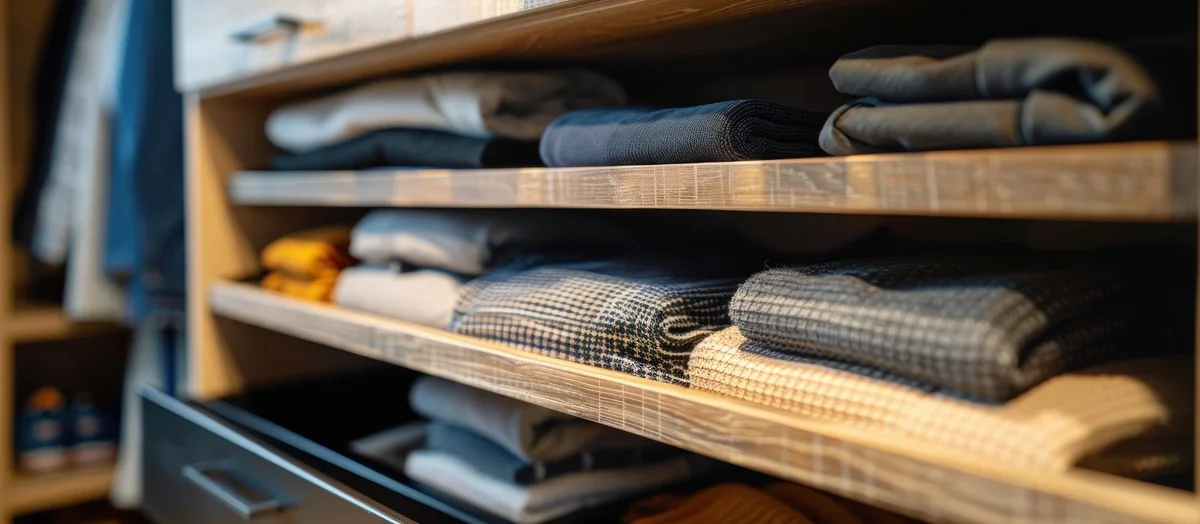
Fit first. Always. A $40 pair of chinos that fits your body correctly will outlast and outperform a $120 pair that gaps at the waist or bunches at the knee. Tailoring exists — and for dress trousers or a blazer, a $15 hem or waist adjustment can make a mid-range piece look like it cost twice as much. Don’t skip that step because it feels like extra effort.
Not every category needs the same investment level.
Outerwear and shoes — the things that take the most physical abuse and define first impressions — deserve a higher budget. Base layers, undershirts, and casual Friday pieces? You can go more affordable without sacrificing much. The mistake is applying the same logic across the board, treating a $90 work boot the same way you’d treat a $90 dress shirt. They’re not the same conversation.
Here’s a quick decision framework worth keeping in mind when you’re evaluating any workwear purchase:
- Will I wear this at least twice a week? If no, reconsider the price point
- Does it work with at least three things I already own? If no, it’s an island piece
- Can I wash and care for it without special effort? If no, it’ll sit in the pile
- Is this solving an actual gap — or just scratching a shopping itch?
And that last one — honestly, that’s the whole workwear buying guide in a single question. Most wardrobe regret comes from impulse, not ignorance. You knew the navy blazer wasn’t quite right. You bought it anyway because it was on sale. (We’ve all done it. The sale price is not a reason. It’s a trap.)
Buy with intention. Wear what you buy. Repeat only what earns it.
H2 Content Headings
So here’s the part most buying guides skip entirely: how the sections of a workwear buying guide actually map to decisions real people make in real stores, under real fluorescent lighting, with a real budget that has a ceiling.

A good workwear buying guide doesn’t just tell you what to buy — it tells you what order to think in. And the order matters more than most people realize. Start with bottoms before tops. Seriously. Trousers and skirts anchor your palette and silhouette, and everything else has to answer to them. If you start with a statement blouse and then try to build around it, you’ll end up with a wardrobe full of orphans.
Here’s a rough breakdown of how a well-structured buying guide should sequence your decisions:
- Foundational bottoms (trousers, tailored skirts, dark denim where appropriate)
- Layering pieces (blazers, cardigans, structured overshirts)
- Core tops (shirts, blouses, fitted knits — the stuff you reach for without thinking)
- Footwear that bridges professional and commute-practical
- Accessories — last, not first, despite what Instagram says
That sequence is deliberate. Each layer builds on the one before it — which means a mistake early compounds fast. Buy the wrong trousers and suddenly three tops don’t work. Buy the wrong blazer and your whole layering system collapses. (It sounds dramatic. It isn’t. Ask anyone who’s stood in front of a full wardrobe feeling like they have nothing to wear.)
The other thing a workwear buying guide should do — and usually doesn’t — is flag where the price-per-wear math actually breaks down. A $180 pair of Uniqlo wool-blend trousers worn four days a week costs you less per wear than a $60 pair of synthetic dress pants that pill after six washes. Not a moral judgment. Just arithmetic.
Cheap can be smart. Cheap can also be expensive. Depends entirely on the item.
What Actually Makes Workwear Worth the Money (Fit, Fabric, and Function Explained)
Fit is free. That’s the part most workwear buying guides skip over, because there’s nothing to sell you. A $90 Oxford shirt that fits your shoulders and tapers at the waist will look sharper than a $220 one sitting like a paper bag — and no one in your office will know the difference. The fit conversation matters more than any fabric spec or brand name, full stop.
So let’s actually break down what you’re paying for when a price tag feels high. There are three real variables: fit, fabric, and construction. Fit you can sometimes fix with a tailor (usually $15–$40 for a hem or a side seam). Fabric and construction you cannot fix at all — those are baked in at the factory.
Fabric is where most buyers get burned. Synthetic blends — polyester-heavy ones especially — don’t breathe, they pill fast, and under office lighting they can look cheap in a way that’s hard to articulate but everyone notices. Natural fibers like wool, cotton, and linen breathe better, hold their shape longer, and age in a way that reads as worn-in rather than worn-out. Wool-blend trousers from a brand like Banana Republic or M.M. LaFleur will typically outlast three pairs of polyester dress pants at the same price point. That’s not brand loyalty talking. That’s just how fibers work.
Construction is the quiet one. Check the stitching at stress points — waistbands, armholes, collar seams. Double-stitched or reinforced seams survive repeated washing and dry cleaning in a way that single-thread construction simply doesn’t. And buttons matter more than you’d think — cheap plastic ones crack, good ones (usually shell or horn on higher-end pieces) don’t.
Not glamorous. But critical.
The practical test for any workwear piece is this: sit down in it, raise your arms, turn your head. If something pulls, bunches, or gaps — that’s not a style quirk, that’s a fit problem that will annoy you every single day you wear it. A useful workwear buying guide tells you to walk away. So: walk away.
Conclusion
The whole point of any Workwear Buying Guide is to stop you from buying the wrong thing twice. Fabric quality and honest fit — those are the two levers that actually matter. Everything else is noise.
Buy less. Buy better. Wear it until it earns its keep.
If a piece doesn’t pass the sit-down-raise-your-arms test on the first try, no amount of tailoring optimism is going to fix your Tuesday morning. Put it back and keep looking — the right one exists.
Frequently Asked Questions
Q: What should a workwear buying guide actually cover?
A: A solid Workwear Buying Guide covers fabric, fit, and durability — in that order. Style matters, but it’s the last thing to think about, not the first. If a guide leads with aesthetics and buries construction quality somewhere near the bottom, skip it.
Q: How much should I spend on a quality work outfit?
A: For a single outfit — trousers, shirt, and a layer — budget somewhere between $200 and $400 if you want pieces that’ll last three-plus years with regular wear. Spending $80 on trousers that pill after six months isn’t saving money; it’s just delaying the same purchase. Cost-per-wear is the only math that matters here.
Q: How do I know if workwear fits correctly before I buy it?
A: Sit down, raise both arms overhead, then turn your head side to side — all while wearing the piece in the fitting room. Any pulling across the shoulders, gaping at the collar, or bunching at the seat is a fit problem, not a break-in feature. Walk away from anything that fails that test.
Q: Is it worth buying workwear from a fast fashion brand?
A: Honestly? For basics you’ll replace seasonally — a simple white shirt, a basic tee — maybe. But for anything structural (trousers, blazers, outerwear), the fabric weight and construction at fast fashion price points just don’t hold up to five-day-a-week wear. Every workwear buying guide worth reading will tell you the same thing.
Q: What fabrics should I look for in professional workwear?
A: Wool and wool-blend fabrics are the benchmark for trousers and suiting — they breathe, resist wrinkles, and don’t look destroyed by 3pm. For shirts, a 100% cotton poplin or a cotton-stretch blend (around 95/5) gives you structure without that suffocating feeling. Avoid anything with more than 30% polyester if you run warm.
Q: How long should quality workwear last?
A: A well-made wool trouser from a brand like Uniqlo’s premium line, Charles Tyrwhitt, or similar mid-tier labels should hold up for two to four years of regular rotation — assuming you’re not washing it after every wear (you shouldn’t be). Jackets and outerwear can go five years or more if the construction is solid and you store them properly.
Q: Can I use a workwear buying guide for business casual, or is it only for formal offices?
A: A good Workwear Buying Guide applies across dress codes — the core principles (fabric quality, real fit, durability) don’t change just because your office dropped the tie requirement. What shifts is the specific items: chinos instead of dress trousers, a merino crewneck instead of a blazer. The evaluation criteria stay identical.
Q: Why do my work clothes look cheap even when I spend decent money?
A: Nine times out of ten, it’s fit — not price. A $90 shirt that fits perfectly will look sharper than a $250 one that’s too boxy in the body or too long in the sleeve. The other culprit is fabric with a visible synthetic sheen, which reads as cheap under office lighting no matter what the tag says. Any honest workwear buying guide will tell you to check both before you buy.